
MFC Chernobyl Ant
Fishing with large stonefly patterns is incredibly exciting and has often tempted big trout out of hiding. It’s usually the first cast, perfectly placed near a promising spot, that triggers relentless surface strikes. It’s likely the size of the fly, combined with a rough landing, that grabs the fish's attention, making them believe it’s a rewarding prey. Overhanging bushes, back eddies, willow roots, and submerged deadwood: even large fish will leave their safe hold to strike the supposed prey with force!
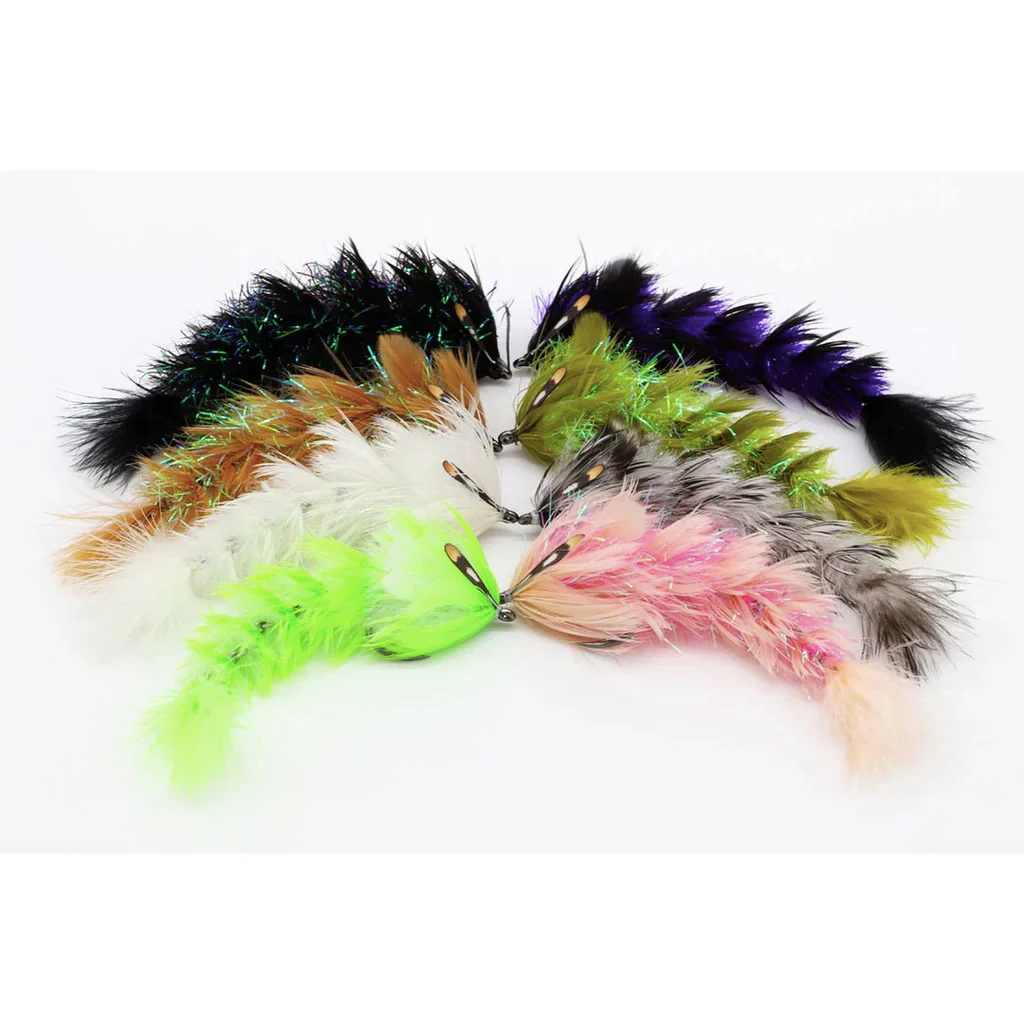
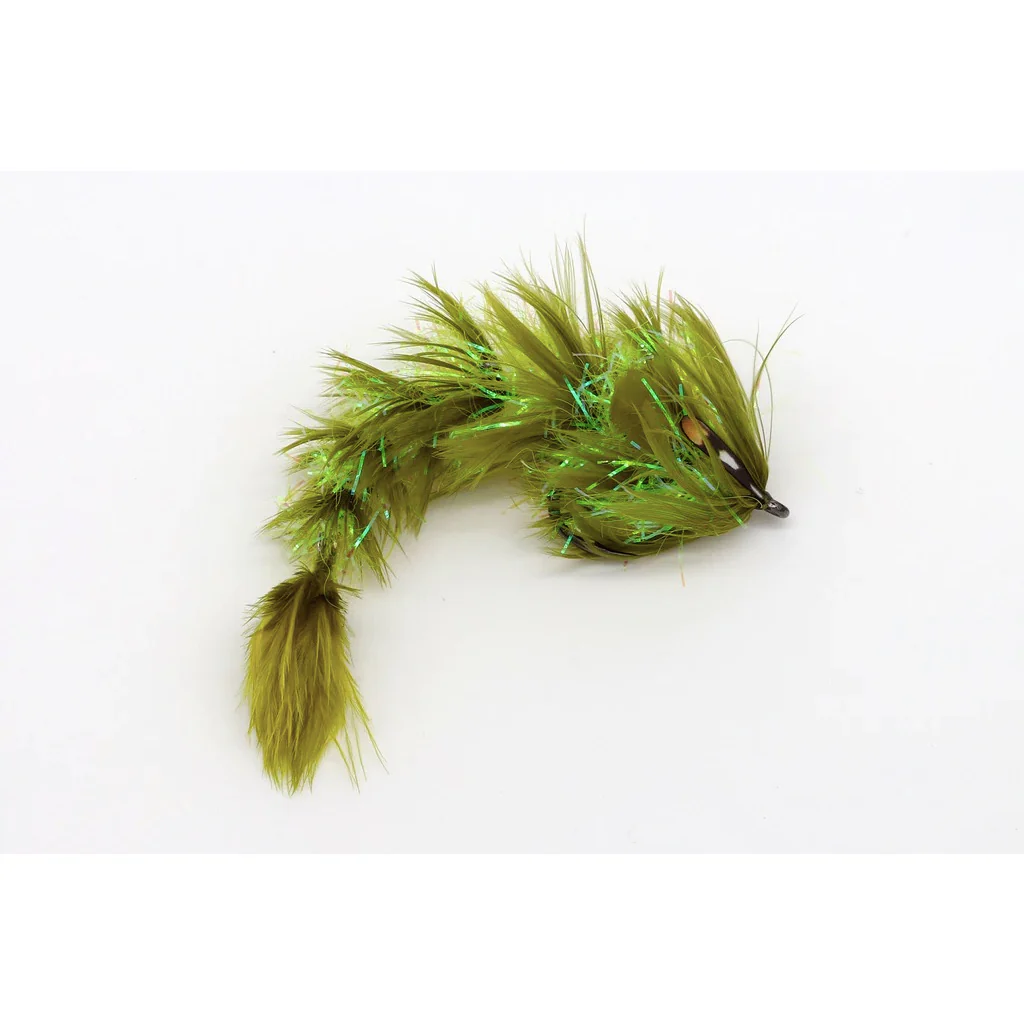
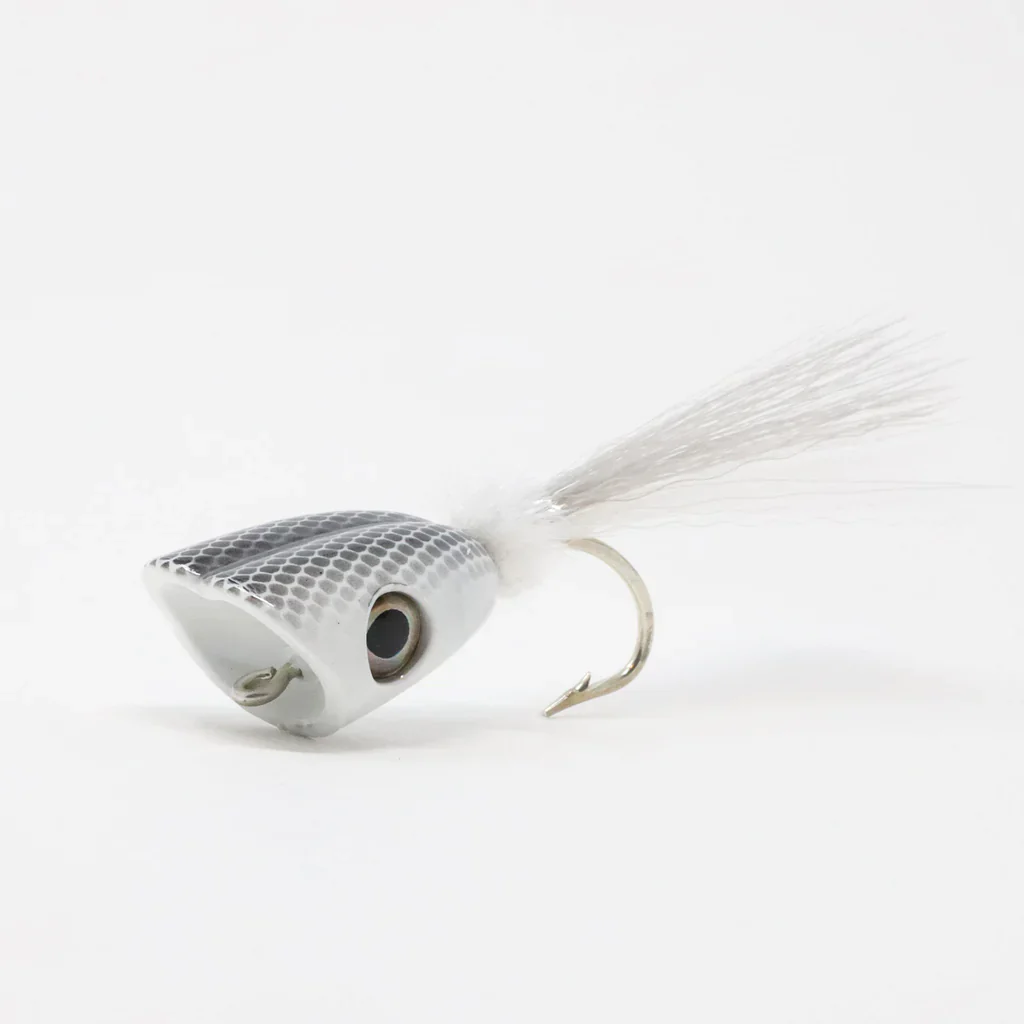
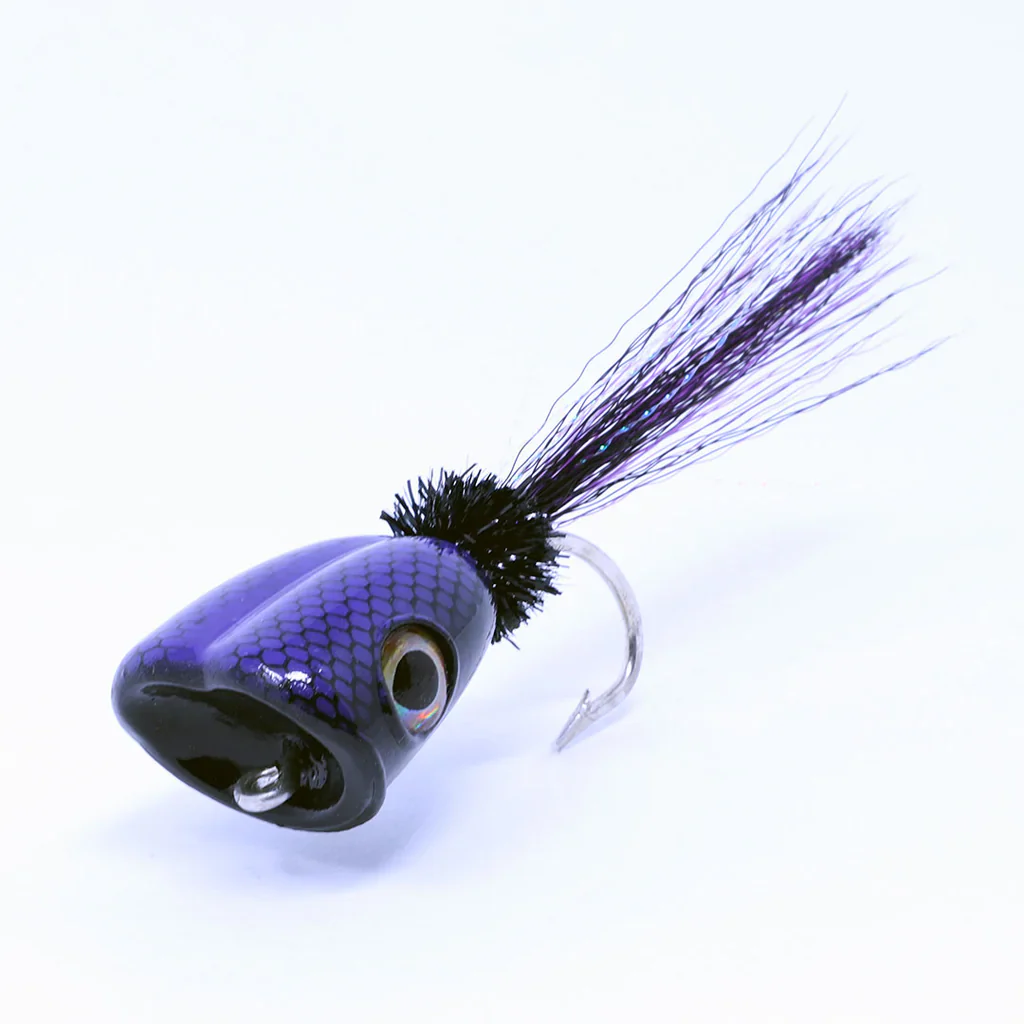
The Chernobyl Ant, though called an "ant," is not a true ant imitation. This highly buoyant foam pattern is more like a hybrid between a dry fly (it could pass as a stonefly) and a surface streamer. The Chernobyl Ant even tricks some trout when skated on the surface, not just in streams but also in lakes and along the coast!
Fishing with large stonefly patterns is incredibly exciting and has often tempted big trout out of hiding. It’s usually the first cast, perfectly placed near a promising spot, that triggers relentless surface strikes. It’s likely the size of the fly, combined with a rough landing, that grabs the fish's attention, making them believe it’s a rewarding prey. Overhanging bushes, back eddies, willow roots, and submerged deadwood: even large fish will leave their safe hold to strike the supposed prey with force!
The Chernobyl Ant, though called an "ant," is not a true ant imitation. This highly buoyant foam pattern is more like a hybrid between a dry fly (it could pass as a stonefly) and a surface streamer. The Chernobyl Ant even tricks some trout when skated on the surface, not just in streams but also in lakes and along the coast!
Description
Fishing with large stonefly patterns is incredibly exciting and has often tempted big trout out of hiding. It’s usually the first cast, perfectly placed near a promising spot, that triggers relentless surface strikes. It’s likely the size of the fly, combined with a rough landing, that grabs the fish's attention, making them believe it’s a rewarding prey. Overhanging bushes, back eddies, willow roots, and submerged deadwood: even large fish will leave their safe hold to strike the supposed prey with force!
The Chernobyl Ant, though called an "ant," is not a true ant imitation. This highly buoyant foam pattern is more like a hybrid between a dry fly (it could pass as a stonefly) and a surface streamer. The Chernobyl Ant even tricks some trout when skated on the surface, not just in streams but also in lakes and along the coast!